
Hesh Rabkin does not have a net worth because he is not a real person. Herman "Hesh" Rabkin is a fictional character from HBO's "The Sopranos," played by actor Jerry Adler. On Wikipedia, “Rabkin” describes Herman “Hesh” Rabkin as a fictional character tied to HBO’s The Sopranos, which matches this characterization blank" rel="noopener noreferrer">Herman “Hesh” Rabkin as a fictional character in HBO’s The Sopranos. If you searched for his net worth expecting a real-world financial profile, the short version is: there are no business filings, no property records, and no income streams to document, because the man exists only on screen. If you are also looking up Ramzin's real estate net worth, make sure the source is tied to a real individual with verifiable property and business records ramzin real estate net worth. That said, there is still useful territory to cover here: who the character is and what he represents, what the real actor Jerry Adler is worth, how to spot fictional-character net worth confusion online, and how to find reliable wealth estimates for actual public figures.
Hesh Rabkin Net Worth: Estimate, Sources, and Methods

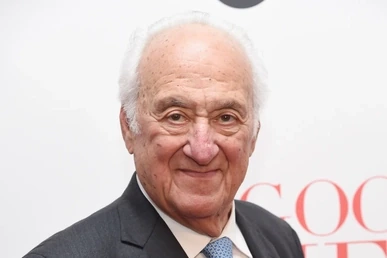
Who Hesh Rabkin is and what he's known for
Herman "Hesh" Rabkin appears throughout all six seasons of "The Sopranos" as a trusted advisor and old friend to mob boss Tony Soprano. He is portrayed as a retired record producer with deep roots in the music industry and loose ties to organized crime. The character is widely believed to be a composite inspired in part by Morris "Mo" Levy, a real New York music mogul with documented connections to the Genovese crime family. Jerry Adler, a New York theater director and actor, played Hesh in a recurring role that critics and fans consistently praised for its warmth and moral complexity. Hesh is not a capo or soldier; he is more of a consigliere figure and money lender within Tony's orbit, which actually makes him a fascinating character to think about in financial terms, even if those finances are entirely fictional.
Publications including "The Forward" have analyzed Hesh as one of the most nuanced Jewish characters in prestige TV, a "mob-connected retired record producer" who navigates his identity carefully within the show's world. Sound On Sound noted the explicit musical-industry framing of the character, reinforcing that Hesh was crafted as an entertainment construct rather than a fictionalized version of any single real individual.
The estimated net worth range (and why it's fictional)

Within the fiction of "The Sopranos," Hesh Rabkin is portrayed as comfortably wealthy. He owns a horse farm in New Jersey, holds substantial cash reserves (a plot point involves Tony owing him $200,000 in interest), and operates as an informal lender within the crew's financial ecosystem. If you were to estimate his in-universe net worth based purely on the show's depictions, a rough character-level estimate might sit somewhere in the range of $5 million to $15 million, based on the farm property, lending capital, music royalties referenced in the show, and his general lifestyle. But to be absolutely clear: this is a fictional character assessment, not a real-world financial estimate. There are no public records, no verified assets, and no actual income streams to document.
How these kinds of estimates get made (and where they go wrong)
On legitimate net worth reference sites, estimates for real public figures are built from a combination of sources: public property records, business entity filings, disclosed salaries or deal values from interviews and trade reporting, court documents, and credible financial journalism. The methodology usually involves summing verified or estimated assets (real estate at market value, known investment stakes, business ownership percentages, intellectual property income) and subtracting known or estimated liabilities (mortgages, business debt, legal settlements).
For fictional characters like Hesh, none of those data pipelines exist. What you sometimes find online are speculative or satirical "net worth" articles that treat fictional characters as though they were real public figures, pulling numbers from show dialogue or fan wikis. These articles are not reliable financial references; they are entertainment content. Recognizing the difference matters, especially when a character like Hesh Rabkin is so vividly rendered that he feels real.
Public financial signals from the show: what the character's wealth looks like

The show does give viewers a reasonably detailed picture of Hesh's financial life, and it is worth laying out what those signals are, since that is likely why people search this question in the first place.
- Horse farm in New Jersey: Hesh is shown living on and operating a horse farm, which in real New Jersey terms would represent a multi-million-dollar asset depending on acreage and location.
- Music royalties: The character made his money in the record business, and the show implies he collects ongoing royalties from past deals, a passive income stream that fits the profile of a retired industry figure.
- Private lending: Hesh acts as a high-interest lender within Tony's world; the $200,000 debt Tony owes him (with interest) is a key Season 6 subplot, suggesting he holds significant liquid capital.
- No ostentatious spending: Unlike other characters in the show, Hesh lives relatively modestly for his wealth level, consistent with an older, established figure who has nothing to prove.
- Legal and personal exposure: The character navigates the risks of his mob-adjacent world carefully, suggesting he has structured his affairs to minimize direct legal liability.
Wealth timeline: how Hesh's fictional finances evolved across the show
The character's financial arc across "The Sopranos" moves in a clear direction. In early seasons, Hesh is a comfortable elder statesman: wealthy, respected, and largely insulated from the violence around him. By the middle seasons, his position is stable but his influence over Tony has shifted as Tony consolidates power. The financial stress point comes in Season 6, when Tony's debt to Hesh becomes a source of genuine tension and moral weight. The debt storyline ends ambiguously (Tony repays after Hesh's girlfriend dies, in a scene loaded with grief and obligation), leaving Hesh's finances intact but his emotional world diminished. As a character trajectory, it mirrors what happens to many wealthy older figures in volatile industries: the money holds, but the human costs accumulate.
What about Jerry Adler, the real person who played Hesh?

If you were actually trying to find the net worth of the person behind Hesh Rabkin, that is Jerry Adler. If you are looking for sean riskowitz net worth, treat the result as a real person’s financial profile and verify it with public records and reputable reporting. Adler is a New York-based actor and theater director who has had a long career in both stage and screen. His recurring role on "The Sopranos" is his most recognized screen credit, and he has appeared in other productions including "In Her Shoes" and "Anything Else." Publicly available estimates for Adler's net worth are modest compared to series regulars, generally ranging from approximately $1 million to $3 million, reflecting a career built more on respected craft than blockbuster salaries. That estimate is based on typical recurring-cast residuals for a premium cable series, theater work, and his broader career in New York entertainment circles. It is not a confirmed figure and should be treated as an informed estimate rather than a verified number.
How to verify this, and what to check next
If you want to verify information about Jerry Adler's real-world finances, the most reliable starting points are: SAG-AFTRA scale rates for recurring television roles (publicly available), interviews in which Adler has discussed his career, property records in New York (searchable through NYC's ACRIS database), and any business entity filings under his name in New York State's corporation search tool. For "The Sopranos" character Hesh specifically, the best reference is the show's own Wikipedia character list and academic or cultural writing about the show, which frames the character accurately as fictional.
It is also worth knowing that net worth estimates for real public figures in similar positions (character actors with long careers in prestige television) vary enormously based on back-end deals, residual structures negotiated at the time of filming, and personal investment decisions made outside their entertainment careers. If you are researching other figures in adjacent financial and entertainment spaces, there are detailed profiles available for individuals like Vadim Rabinovich and Mark Rabkin, whose real-world financial activities involve documented business dealings that can be traced through public records. If you meant Mark Rabkin specifically, look for verifiable records about his businesses and earnings before trusting any “net worth” number you see online Mark Rabkin net worth. If you are looking at profiles of Vadim Rabinovich, use the same approach: prioritize primary records and cross-check the sources behind any net worth claim.
The bottom line for anyone landing on this search: Hesh Rabkin is a character, not a person, so no verified net worth estimate exists or can exist. Jerry Adler, the actor, has a modest but respectable career net worth in the low single-digit millions by most informed estimates. And if you encountered a website claiming a specific, large net worth figure for "Hesh Rabkin" as though he were a real individual, treat that with skepticism: it is likely either entertainment content or a data scraper that has not distinguished between real people and fictional characters.
FAQ
Why do net worth sites show a number for “Hesh Rabkin net worth” even though he is fictional?
Many sites scrape dialogue and fan summaries, then convert them into a made up “wealth” figure. If the page does not clearly explain it is an in-universe estimate, has no references to real-world filings, and treats plot details like verifiable assets, assume it is entertainment content, not a financial assessment.
Is Hesh Rabkin’s $200,000 debt in the show evidence of his real net worth?
No. Story dialogue reflects a plot point, not audited finances. In real-world terms, net worth would require asset valuation, ownership stakes, and liabilities, none of which exist for a fictional character, so any “net worth” derived from that number is inherently speculative.
If I want an in-universe estimate for Hesh, what boundaries should I use so I do not mix it with real finance?
Treat it as a character analysis with an explicit label. Base it only on on-screen indicators like the horse farm presence, recurring lending behavior, and lifestyle cues, and avoid naming it “net worth” in the real-world sense. Separate it from real-person estimates like Jerry Adler’s.
How can I tell quickly whether a “Hesh Rabkin” wealth article is trustworthy or just generated content?
Check for the ability to trace claims back to primary records. For a fictional character, a trustworthy source will say it is fictional analysis, while a questionable one will present specific dollar amounts as if verified, with no mention that it is not supported by filings, property records, or income documentation.
What is the safest way to research Jerry Adler’s real finances from public sources?
Focus on verifiable building blocks: property records in New York (through NYC’s ACRIS), any business entity filings under his name, and publicly known compensation context like industry reporting. Then treat third-party net worth sites as secondary, not authoritative.
Could Jerry Adler’s net worth be higher or lower than typical “low single-digit millions” estimates, and why?
Yes. Residuals can vary based on contract terms and how often a performer appears, and stage work plus any investments outside acting can materially change outcomes. Estimates are also sensitive to whether a site includes retirement assets, taxes, and debt, which often differ across sources.
Do “actor recurring role” residuals reliably produce accurate net worth figures for someone like Adler?
They help inform an estimate, but they do not produce a precise total. Residual schedules depend on contract details, syndication and streaming behavior, and timing of negotiations, so recurring credit alone is not enough for a confirmed net worth.
I meant a different “Rabkin,” how do I avoid pulling the wrong person’s net worth?
Use disambiguation by adding first name, profession, and location, then verify with at least one primary record type like a business entity filing or property record. Avoid articles that reuse the same template across similarly named individuals without showing the specific person they mean.
If I see “Hesh Rabkin net worth” paired with real-person links in the same page, is that a red flag?
Often yes. Mixing fictional character claims with real-person financial profiles can indicate the site is building keyword-driven content rather than doing entity-specific verification. If “Hesh” and a real person are not clearly separated, treat the numbers as unreliable.